

You’ve probably heard a lot about semaglutide and how it’s helping people with weight loss. But you might be wondering what it actually is. So, is semaglutide a peptide? The short answer is a big YES!
Being a peptide is the secret to how it works so well. Peptides are special messengers in our bodies.
In this article, we will break down the science in a simple way. We’ll show you how this amazing peptide can help you reach your weight management goals and feel your best.
First, What Exactly Is a Peptide?
Let’s start with the basics. Imagine your body is a giant team, and it needs instructions to work properly. Peptides are like tiny text messages that give your cells those instructions.
They are made of small chains of building blocks called amino acids. Think of them like short strings of beads.
Proteins are also made of amino acids, but they are much bigger and more complex, like a very long and fancy necklace. Peptides are the shorter, simpler messengers that tell your body to do important things, like manage hunger or fight off germs. They play a huge role in keeping you healthy every single day.
How Semaglutide Is a Specially Engineered Peptide
Semaglutide isn’t just any peptide; it’s a very clever one that was designed by scientists to be extra effective. It was made to copy a natural message our bodies already use, but with some cool upgrades.
Mimicking a Natural Hormone: GLP-1
Inside your gut, you have a natural hormone called GLP-1. Your body releases it after you eat a meal. This hormone is a superstar when it comes to feeling satisfied.
GLP-1 travels to your brain and tells it, “Hey, we’re full now!” It also tells your stomach to slow down, so you feel full for a longer time. Plus, it helps keep your blood sugar levels nice and steady.
Semaglutide is a GLP-1 agonist, which is a fancy way of saying it’s a synthetic peptide that mimics, or copies, this natural hormone. It pretends to be GLP-1, sending all those same “I’m full” signals to your brain and body.
The Scientific Modifications That Make Semaglutide So Effective
There’s one little problem with our natural GLP-1: it breaks down very, very quickly. It usually disappears just a few minutes after it’s released. That’s not long enough to help with weight loss all day.
So, scientists made some brilliant changes to the semaglutide peptide to make it last much longer. They gave it a half-life of about a week!
Here are the two key changes they made:
- A Smart Swap: They switched out one of the amino acids (one of the beads on the string). This simple change protects the peptide from an enzyme in our body that normally chews up GLP-1.
- Adding a “Tail”: They attached a fatty acid chain, which acts like a special tail. This tail helps the semaglutide peptide grab onto a protein in our blood called albumin. By holding on, it can travel safely through the body for days without being destroyed.
This advanced engineering answers the question of is semaglutide a peptide with a resounding yes—it’s a highly optimized one. These changes are why it works so well and only needs to be taken once a week.
What Does This Mean for You? The Benefits of a Peptide-Based Approach
So, the science is cool, but what does it actually mean for you and your health goals? It all comes down to real, noticeable benefits that can make a big difference in your daily life.
Here’s how this peptide-based approach helps:
- Powerful Appetite Regulation: Since semaglutide sends strong “I’m full” signals to your brain, it helps you feel less hungry. This makes it much easier to manage cravings and reduce your overall calorie intake without feeling like you’re constantly fighting hunger.
- Improved Blood Sugar Control: By helping your body release insulin more effectively and manage sugar, semaglutide is great for your overall metabolic health. This helps prevent those energy spikes and crashes you might feel during the day.
- Sustained and Effective Weight Loss: When you feel full longer and your appetite is under control, you naturally eat less. This combination leads to steady and sustainable weight loss results over time, helping you not just lose weight but keep it off.
Understanding how semaglutide works is the first step. Our team of medical experts is committed to guiding patients through their entire journey.
Safety, Accessibility, and Professional Guidance
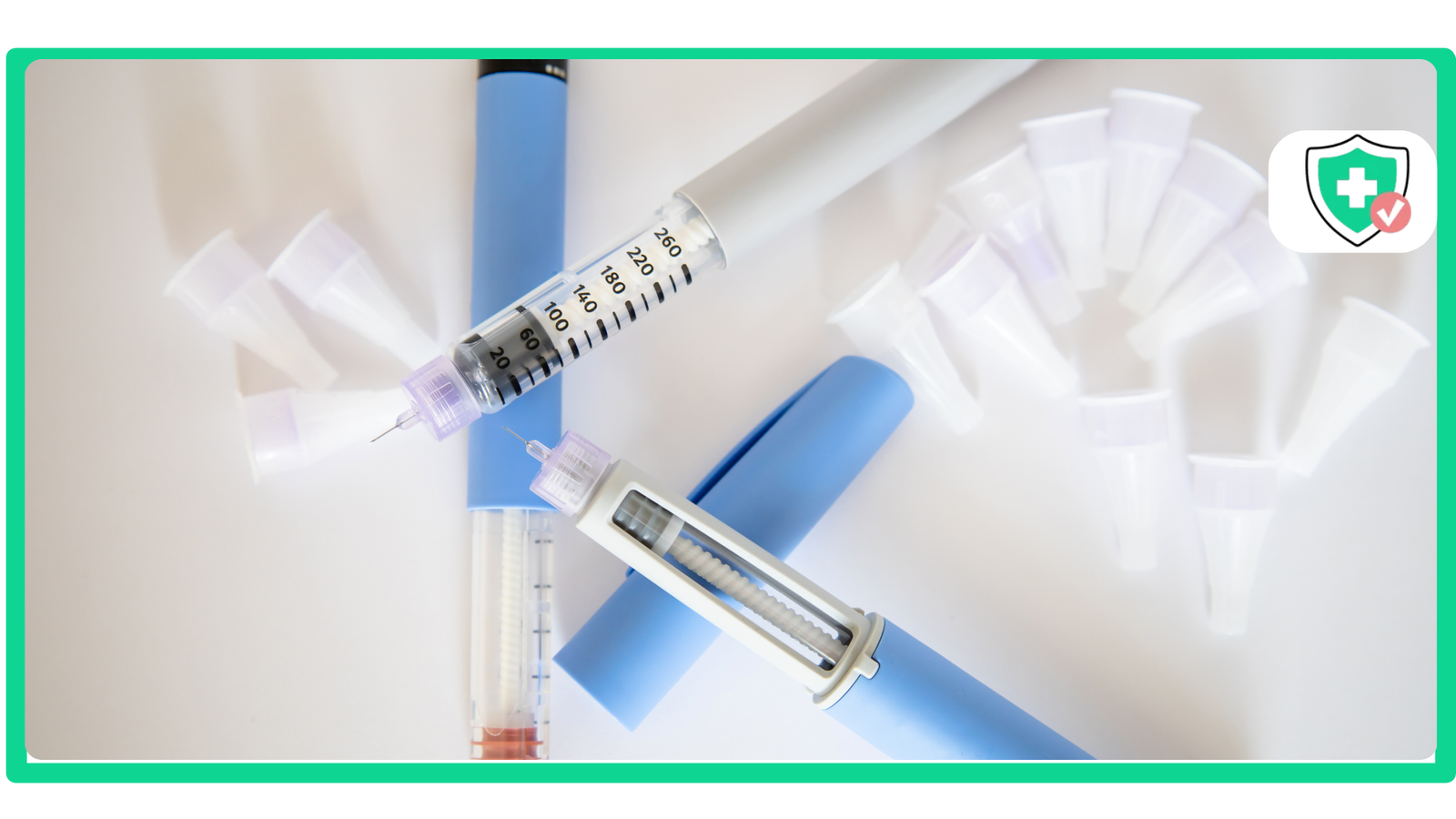
While semaglutide is a groundbreaking medication, it’s very important to use it safely. The best way to do that is under the care of a licensed healthcare provider who understands your unique health needs. A doctor can create a personalized plan just for you.
They will make sure it’s the right choice and monitor your progress to ensure you get the best results safely.
Access to effective treatments is a key part of any health journey. To make this innovative peptide therapy more accessible, some programs offer a simplified approach. For instance, Semaglutide Medics provides a comprehensive plan that includes the initial doctor’s consultation, prescription medication, and all necessary supplies with free home delivery for a flat monthly fee of $299, ensuring there are no hidden costs.
For those asking is semaglutide a peptide because they are considering it for weight loss, the clear answer is yes, and it’s essential to pursue it through a trusted medical provider. Once you begin your treatment, tracking your progress is simple through a dedicated patient portal.
Your Questions Answered: Semaglutide FAQs
It’s normal to have questions. Here are a few common ones we hear.
1.Are all GLP-1 medications peptides?
A: Yes, most of them are, including semaglutide. Their peptide structure is exactly what allows them to talk to your body’s cells and work their magic.
2.Can peptides like semaglutide be taken orally?
A: It’s usually given as an injection, but yes! Scientists have found clever ways to create a pill form. They designed a special coating to protect the peptide from being destroyed by stomach acid, so it can be absorbed properly.
The Bottom Line: Is Semaglutide a Peptide?
So, let’s circle back to our main question: is semaglutide a peptide? Absolutely. It’s a scientifically advanced peptide, carefully designed to copy our body’s natural fullness hormone, GLP-1.
Its unique structure allows it to stay in the body longer, providing powerful and sustained appetite control. This makes it an incredible tool for people working towards their weight loss and health goals.
If you’re ready to learn more about how semaglutide can support your weight loss goals, book a free consultation with a licensed doctor at Semaglutide Medics today.
Sources:
- U.S. Food and Drug Administration (FDA) – Semaglutide Information: https://www.fda.gov/drugs/postmarket-drug-safety-information-patients-and-providers/medications-containing-semaglutide-marketed-type-2-diabetes-or-weight-loss
- National Center for Biotechnology Information (PubChem) – Semaglutide Compound Summary: https://pubchem.ncbi.nlm.nih.gov/compound/Semaglutide
- National Institute of Diabetes and Digestive and Kidney Diseases (NIDDK) – Weight Management: https://www.niddk.nih.gov/health-information/weight-management