

If you have a surgery or a medical procedure coming up, you know there is a lot to prepare. One of the most important things you need to think about is the medications you are taking. If you are using Semaglutide on your weight loss journey, you must ask a very important question: when to stop semaglutide before surgery?
This is not a small question. It is one of the most important safety steps you can take to make sure your surgery goes smoothly. This guide will give you the official recommendations and explain the simple science behind them.
The “Why”: The Anesthesia Risk You Need to Know About
To understand why you need to stop your medication, we first need to remember how it works. Semaglutide has a superpower that is great for weight loss but can be risky during surgery.
Semaglutide’s Superpower: Slowing Down Your Stomach
The main way that Semaglutide helps you lose weight is by slowing down your stomach. It makes the food you eat stay in your stomach for a longer time.
This is wonderful for making you feel full and satisfied with smaller meals. However, this “slow stomach” effect can cause a problem when it is time for you to have anesthesia for a procedure.
The Dangers of a Full Stomach During Anesthesia
Before any surgery, your doctors will tell you that you must stop eating for several hours. This is called fasting. The reason for this is to make sure your stomach is completely empty when you are put to sleep.
When you are under anesthesia, your body’s normal reflexes, like coughing, are turned off. If your stomach still has food in it, there is a chance that food could come back up your throat and get into your lungs.
This is a very serious problem called “pulmonary aspiration,” and it can lead to bad lung infections. Because Semaglutide keeps food in your stomach for longer, it adds an extra risk that your stomach might not be empty, even if you have been fasting.
The Official Guidelines: When to Stop Semaglutide Before Surgery
Because this is such an important safety issue, the experts have created very clear rules. When you are wondering when to stop semaglutide before surgery, you should always follow the official guidelines.
The American Society of Anesthesiologists (ASA) Recommendation
The leading group of experts on this topic is the American Society of Anesthesiologists, or ASA. They are the doctors who specialize in keeping you safe while you are asleep for surgery.
Here is their clear and simple recommendation:
-
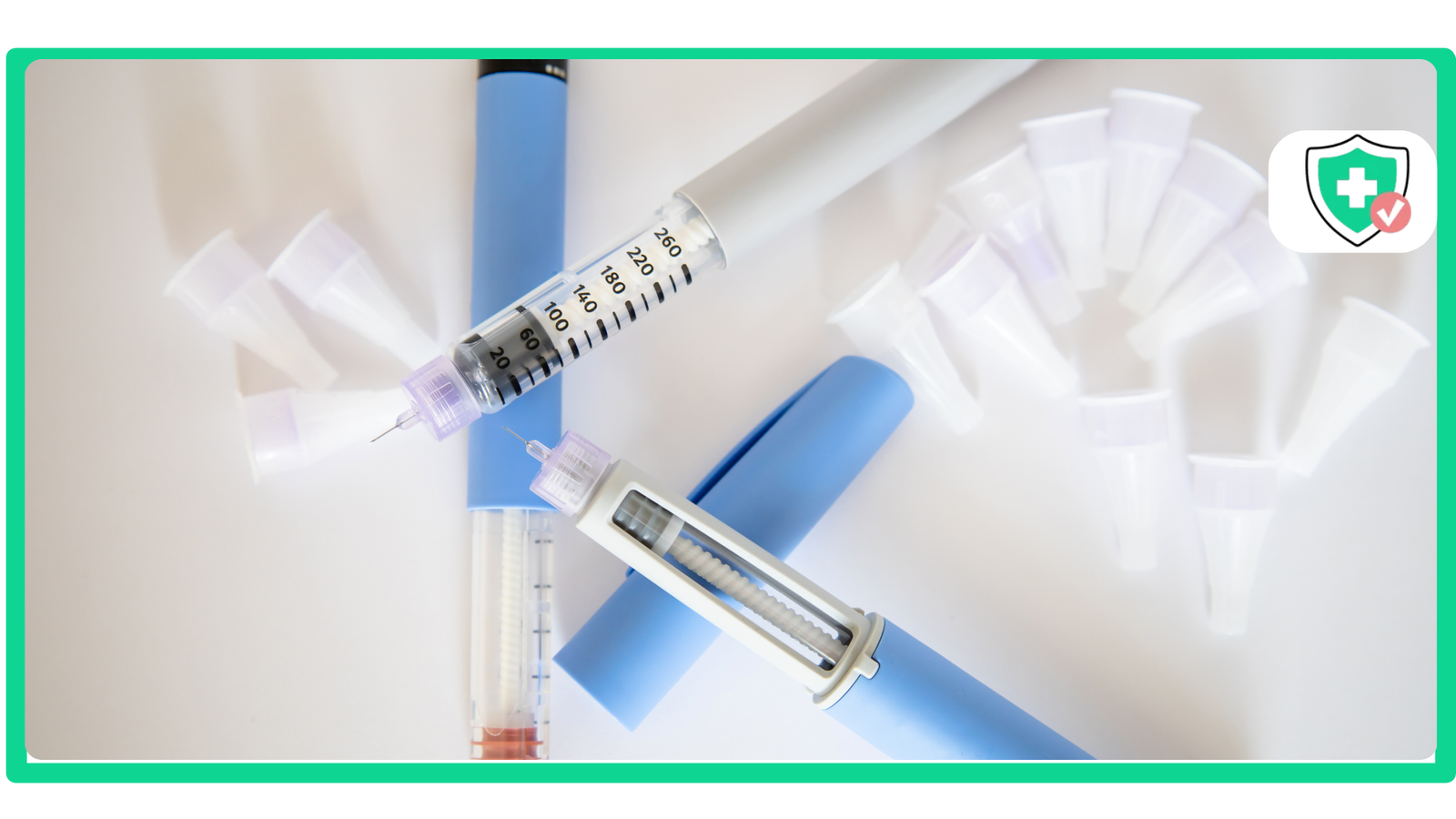
If you take Semaglutide with a once-a-week injection, you should stop taking it for at least one full week before your surgery.
-
If you take a very rare form of Semaglutide as a pill every day, you should skip your pill on the morning of your surgery.
This is the official guideline that doctors and hospitals all over the country follow to keep you safe.
Why One Week?
You might be wondering why you have to stop the medicine a whole week beforehand. The reason is that Semaglutide is a “long-acting” medicine.
This means that its effects last in your body for a very long time. It takes about a week for the medicine’s “slow stomach” effect to wear off. Stopping the medicine for a week gives your stomach time to get back to its normal speed, making your anesthesia much safer.
Your Personal Action Plan: Steps to Take Before Your Procedure
Knowing the rule is the first step. Now, here is a simple plan to make sure you are following it correctly.
Step 1: Talk to ALL of Your Doctors
This is the most important thing you can do. You need to make sure every single doctor involved in your care knows that you are taking Semaglutide.
You must tell your surgeon that you are on Semaglutide. You must also tell your anesthesiologist. And, of course, you need to tell the doctor who prescribes your Semaglutide that you have a surgery coming up. Making sure all your doctors are on the same page is key to your safety. Our team works with patients to help them coordinate their care with other specialists.
Step 2: Follow Their Specific Instructions
The one-week rule from the ASA is a general guideline. Sometimes, your doctor might give you a slightly different instruction.
Your doctor knows your personal health history and the details of the surgery you are having. They might ask you to stop the medicine for a little longer, just to be extra safe. You should always follow the exact instructions from your own doctor. Their word is the final say.
Step 3: Restarting Semaglutide After Surgery
After your surgery is over, you will want to know when you can start taking your Semaglutide again.
Your surgeon will be the one to give you this instruction. Usually, they will tell you that you can restart your medicine once you are able to eat and drink normally again without feeling sick to your stomach.
A Partnership Focused on Your Overall Health
Your health journey involves more than just weight loss; it involves your total well-being. At Semaglutide Medics, we see ourselves as your partner in your complete health.
Our program is designed for continuous support, making sure you have a medical team you can talk to before big events like a surgery. For a clear price of $299 per month, you get this vital medical guidance, your medication, and free home delivery, ensuring your journey is both safe and seamless. If you ever have questions about your treatment plan, you can always contact us.
Conclusion: Prioritizing Safety for a Successful Surgery
Let’s quickly review the most important points. Because Semaglutide slows down your stomach, it is very important to stop taking it before any surgery that requires anesthesia. This is a simple step that keeps you safe from serious problems.
So, when to stop semaglutide before surgery? The official guideline is to stop it at least one week before your procedure. But the most important answer is to always listen to the specific instructions from your own team of doctors.
Ready to start a journey with a team that considers your total health? Get started securely through our patient portal today.