
You started taking Semaglutide feeling hopeful and excited for a change. But now, you’re looking at the scale, and it’s not moving the way you thought it would. It can feel really frustrating, and it might make you ask, “Why is semaglutide not working for me?”
Before you feel discouraged, please know that you are not alone in feeling this way. There are many reasons why your progress might be slow, and most of them are easy to fix.
Real success with this medicine is about more than just a weekly shot. It’s a team effort between you, the medicine, and your daily habits. This guide will walk you through the most common reasons you might feel stuck and show you how to get back on track.
1. You’re Still on a Starting Dose
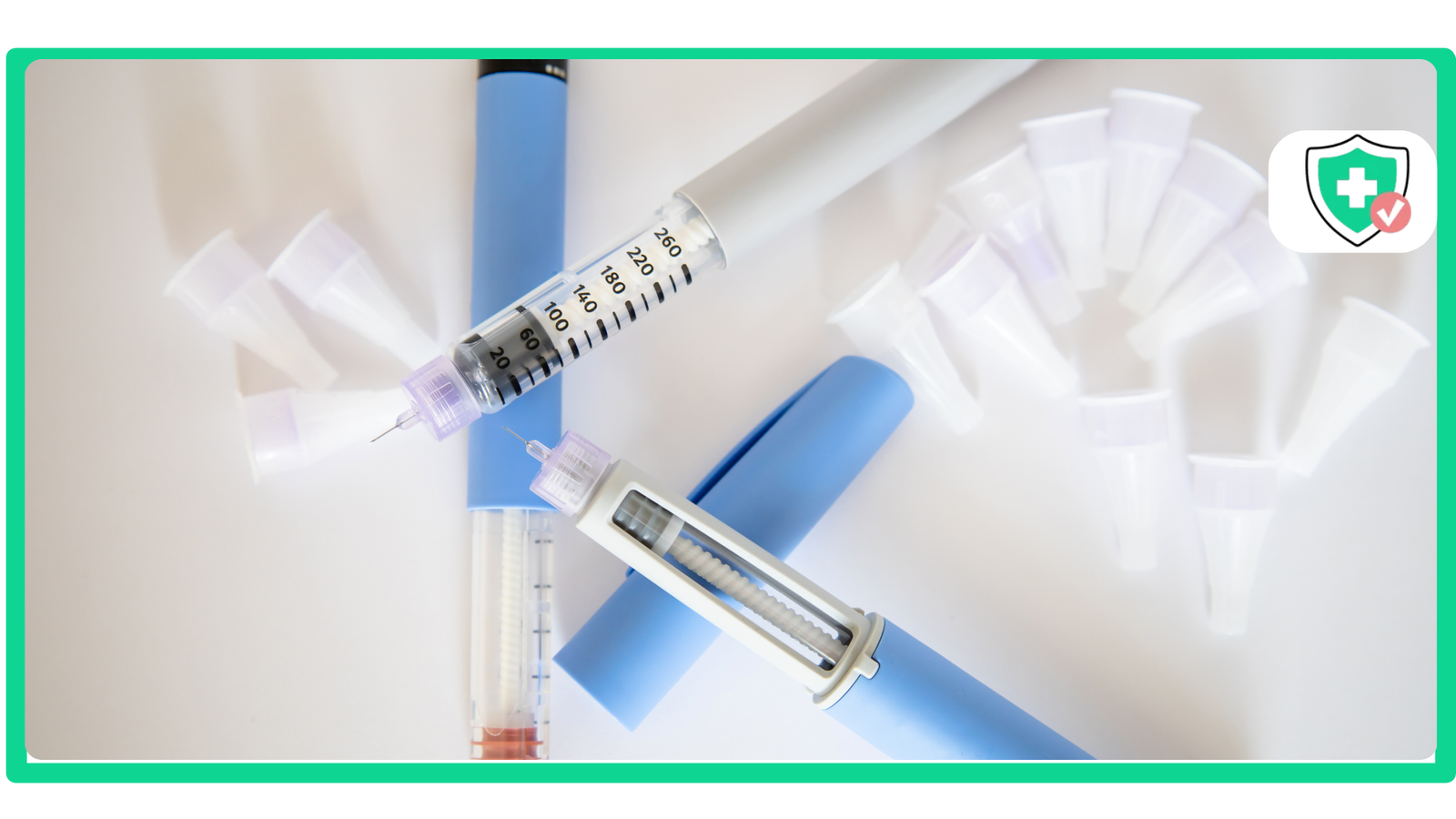
This is the biggest and most common reason people worry. When you start Semaglutide, your doctor uses a very careful plan. The plan is “start low and go slow.
The first few doses you take are very small. Think of them as practice doses. Their main job is not to cause big weight loss. Instead, their job is to let your body get to know the medicine and get used to it. This helps you avoid side effects like an upset tummy.
Many people don’t feel a big change in their hunger or see the number on the scale drop until they get to the higher doses. This can take a few months. If you just started, you are still in the warm-up phase. The best thing you can do is be patient. The medical experts at Semaglutide Medics manage this starting period very carefully to keep you safe and comfortable.
2. Your Diet Hasn’t Changed Enough
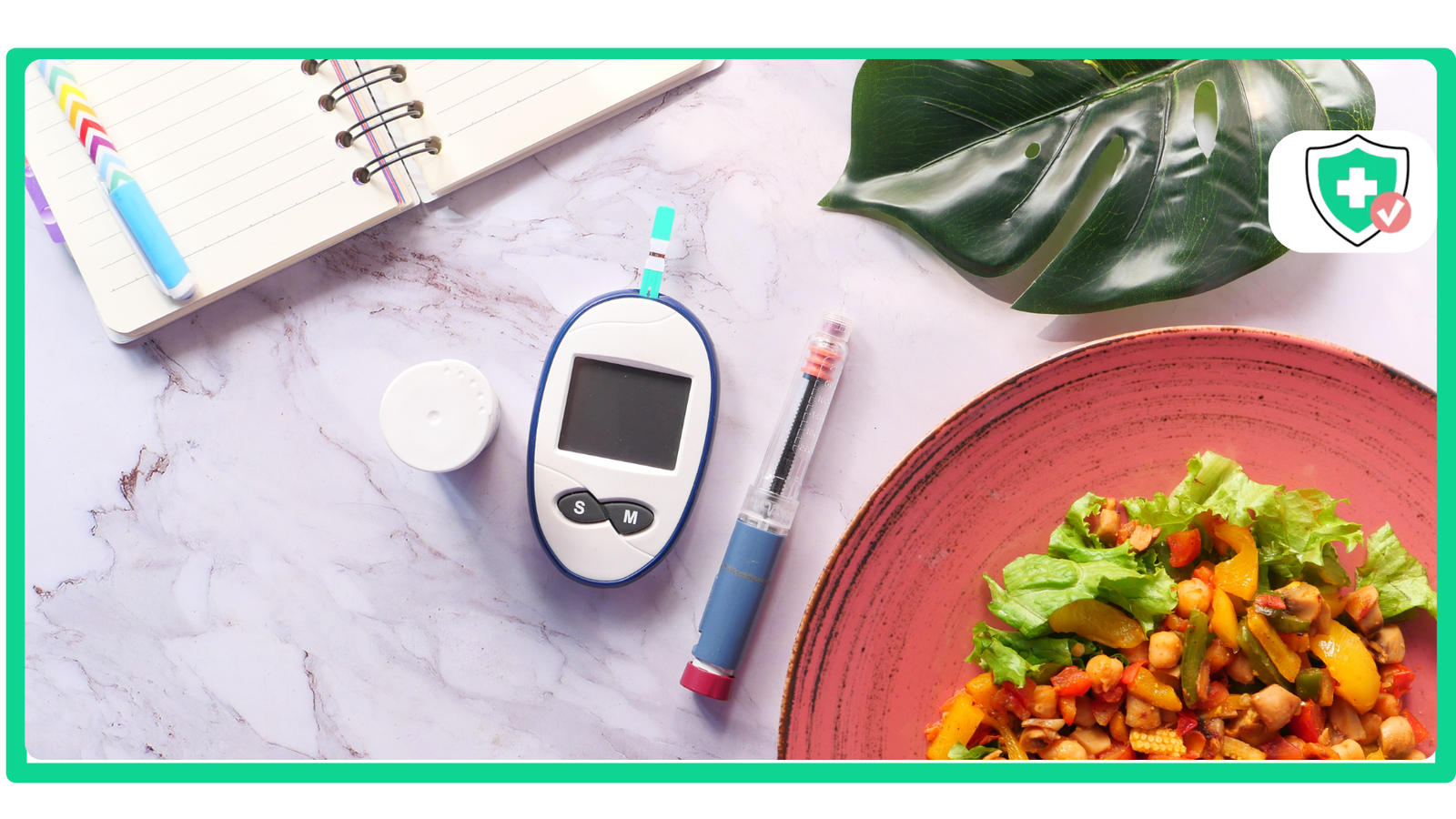
Semaglutide is an amazing helper, but it is not a magic wand. It works best when it has a partner, and that partner is your healthy food choices.
The medicine is designed to make you feel less hungry. It helps you feel full with smaller amounts of food. This makes it much, much easier to eat less. But, the medicine itself does not erase the calories in the food you eat.
If you are still eating foods with a lot of sugar or fat, or drinking sugary sodas, you might be taking in more calories than your body can burn. It is a good time to look at what you are eating each day. Are you choosing healthy proteins like chicken or fish? Are you eating colorful vegetables? Answering “Why is semaglutide not working for me?” often starts with looking at your plate.
3. You’re Not Getting Enough Physical Activity
Healthy eating is the number one thing for weight loss. But exercise is a super important teammate. Moving your body helps you burn calories.
It also helps you build muscle. Muscle is amazing because it helps your body burn more calories all day long, even when you are just sitting and watching TV!
You do not need to start running marathons or lifting giant weights. Just adding a little bit of movement to your day can make a huge difference.
Try going for a fun, 30-minute walk each day. You could also try swimming or riding a bike. Find something you enjoy! This little change can wake up your body’s engine and help you see better results.
4. You’re Losing Inches, Not Just Pounds
The number you see on the scale is not the only way to see your progress. Sometimes, it doesn’t tell you the whole story.
As you start moving more, your body might be building strong, healthy muscle. At the same time, it is losing soft body fat. Here is the tricky part: muscle takes up less space than fat, but it weighs more.
So, you could be losing fat and getting smaller, but the scale doesn’t move because you are also building healthy muscle. Pay attention to other amazing changes! Are your pants feeling a little looser? Do you have more energy to play with your kids or your pets? These are huge wins!
5. Other Health Conditions or Medications
Sometimes, there are other things going on in our bodies that can make losing weight feel like an uphill battle. Certain health conditions can make it harder for your body to lose weight.
Also, some other medicines you might be taking for other problems can cause weight gain as a side effect. This means they could be working against your Semaglutide. This is why it is so important to be honest with your doctor and tell them about every medicine you take and every health problem you have.
6. Inconsistent Dosing Schedule
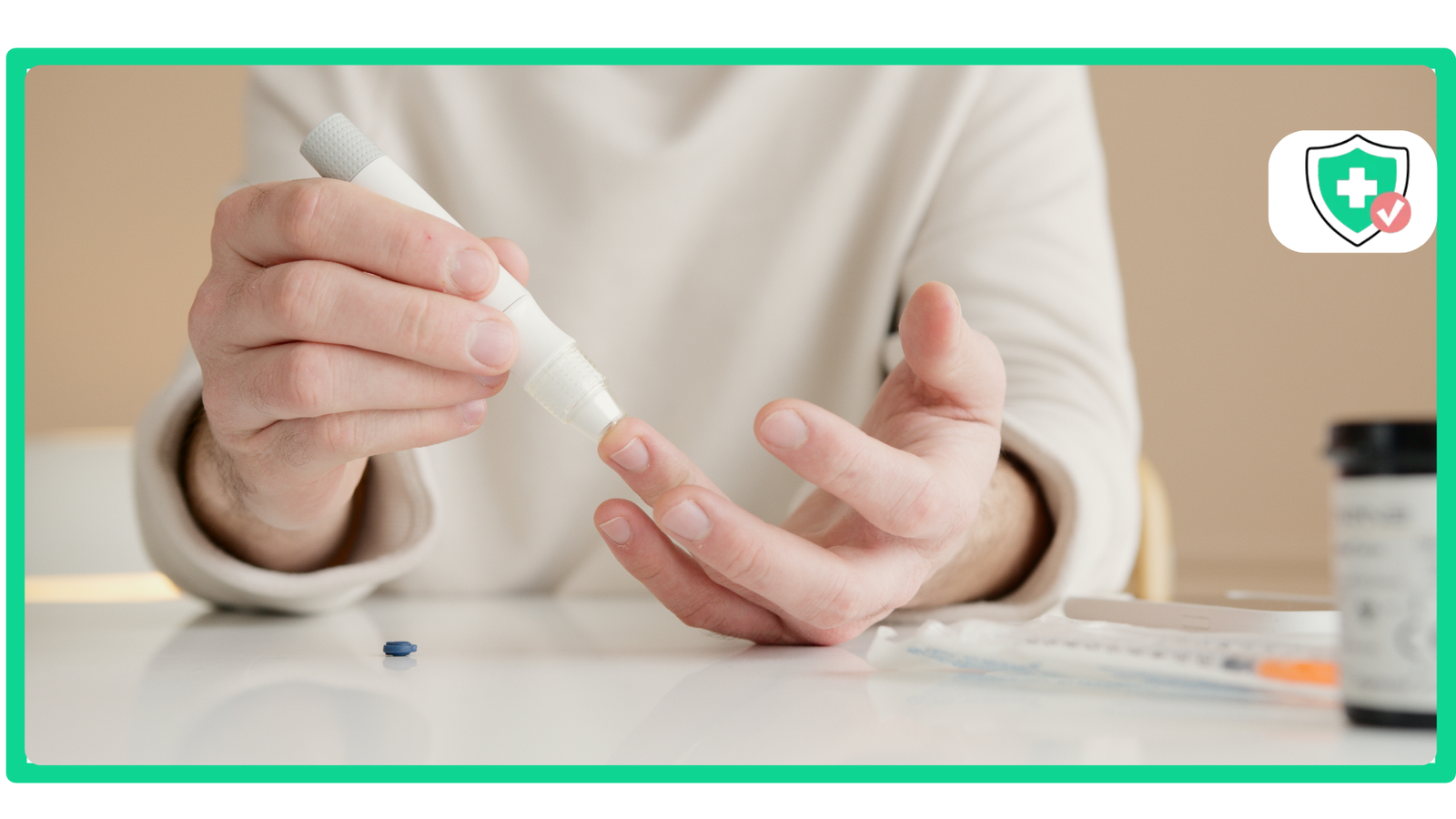
Taking your medication at different times each week or missing doses can significantly impact its effectiveness. Semaglutide works best when maintained at consistent levels in your bloodstream.
Set a regular day and time for your injection each week. Use phone reminders or calendar alerts to help you stay on track. Consistency is key to maintaining the appetite-suppressing effects that help with weight loss.
7. Insufficient Water Intake
Dehydration can sometimes mask itself as hunger, leading you to eat when your body actually needs fluids. Semaglutide’s digestive effects also make proper hydration particularly important.
Aim for 64-100 ounces of water daily, depending on your activity level and body size. Proper hydration supports metabolism and helps your body function optimally while on this medication.
8. Unrealistic Expectations
Weight loss with Semaglutide is typically gradual. Expecting rapid, dramatic results can lead to disappointment, even when you’re making good progress.
The average weight loss with Semaglutide is about 1-2 pounds per week. Some weeks you may lose more, some weeks less, and some weeks you may plateau entirely. This is completely normal in any weight loss journey.
What to Do When You Feel Stuck
If you are asking “Why is semaglutide not working for me?”, the very best thing to do is talk to your doctor. Please don’t try to make changes on your own.
-
Be Patient with Your Dose: Trust your doctor’s plan. They are increasing your dose slowly to keep you safe and comfortable. The big results will come.
-
Keep a Journal: For one week, try writing down everything you eat and what activities you do. This can show you and your doctor if there are any small changes you can make.
-
Talk to Your Team: Schedule a time to chat with your medical team. They can look at your progress and give you new ideas.
Remember, hitting a plateau where your weight loss stops for a bit is completely normal. It is not a sign that you failed. It is just a sign that it’s time to try a new strategy.
Your Path to Success with Semaglutide
The question “Why is semaglutide not working for me?” can have many different answers. But it is almost never because the medicine is broken.
Usually, it is just a sign that a small change is needed. Maybe it’s a change in your dose, your food, or your activity.
By working as a team with your doctors and seeing Semaglutide as your helper, you can get past any bumps in the road. You can and will see the amazing results you are looking for.
Authoritative Sources for Further Reading:
For more detailed medical information, please refer to these trusted, non-competing resources:
-
U.S. National Library of Medicine, MedlinePlus Drug Information on Semaglutide: https://medlineplus.gov/druginfo/meds/a618008.html
-
The U.S. Food and Drug Administration (FDA) Medication Guide for Wegovy (Semaglutide): https://www.accessdata.fda.gov/drugsatfda_docs/label/2021/215256s000lbl.pdf
-
Cleveland Clinic – Weight Loss Plateau Information: https://my.clevelandclinic.org/podcasts/cardiac-consult/cle-care-of-aortic-disease-aortic-dissection