
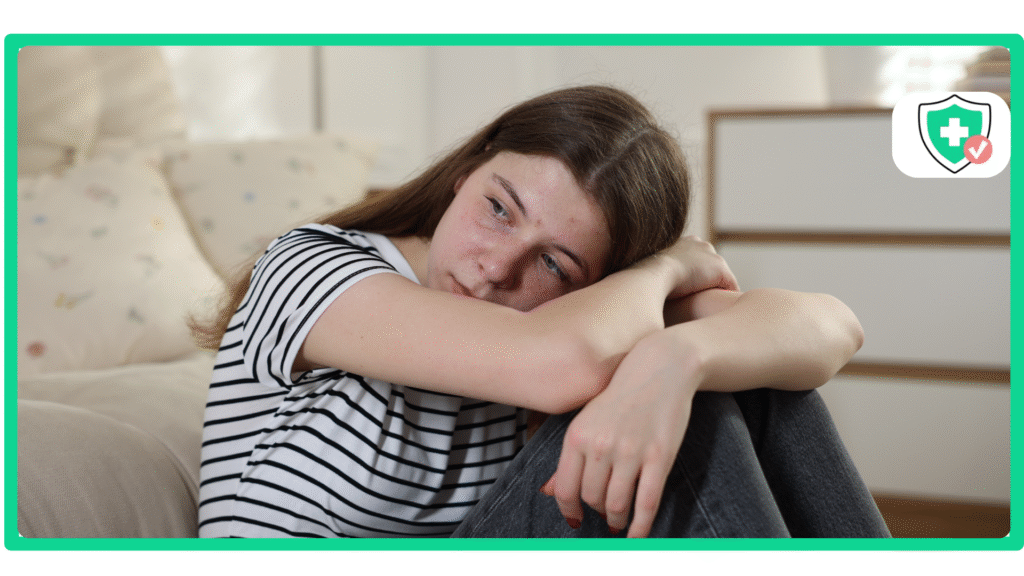

When you decide to start a new medication, your health is the number one thing on your mind. You think about how it will affect your body, but it is just as important to think about how it might make you feel. It is very smart to ask questions about every part of your well-being, both inside and out. That is why so many people ask a very important question about their mood and this medication. They want to know, does semaglutide make you depressed? This is a serious question, and you deserve a clear and honest answer.
What Do the Official Studies Say?
When a new medicine is created, scientists do very large and careful studies to make sure it is safe. During these studies, they make a list of every single side effect that people report, even if it only happens to a few people.
The good news is that in the major scientific studies for semaglutide, depression was not listed as a common side effect. The FDA, which is the part of the government that makes sure our medicine is safe, has looked at this. They have not found a direct link that shows the medicine itself causes depression.
This is very reassuring to know. However, it does not mean that your feelings are not real. It just means that the reasons you might be feeling down could be a little more complex.
The Indirect Ways Your Mood Can Be Affected
Even if the medicine itself does not directly cause depression, the big changes that happen on your health journey can sometimes affect your mood. Let’s look at some of the reasons why some people might feel a little down.
A New Relationship with Food
For many of us, food is more than just fuel. It can be a source of comfort, a way to celebrate, and a fun hobby. We use food to connect with our family and friends.
Here is a simple way to think about it. Imagine that your favorite hobby in the whole world was baking and eating delicious cookies. Then, one day, you suddenly didn’t feel like eating cookies anymore. You might feel a little sad, like you have lost something that you used to enjoy. Semaglutide can sometimes do this with your appetite for your old favorite foods.
The Impact of Other Side Effects
Some of the common semaglutide side effects are physical. Things like feeling tired or having an upset stomach can happen, especially when you first start.
It is very hard to feel happy and cheerful when you just don’t feel well physically. If you are feeling tired or nauseous, it is normal for your mood to be a little bit lower.
Big Life Changes
Losing a lot of weight is a very big and positive change. But any big change, even a good one, can be a little bit stressful for your mind and body.
Your daily routines might change. Even your social life might change, like if your friends want to go out for pizza and you don’t feel like it. It is normal to feel a little bit emotional as you get used to the new you.
A good medical team knows that your journey is about more than just medicine. Our caring team supports your total well-being, both physical and mental.
The Brighter Side: Weight Loss and Improved Mood
Now, let’s look at the other side of the coin, which is much more common. For the vast majority of people, the long-term effects of a successful weight loss journey are amazing for their mental health.
Many big scientific studies have been done on this. They have shown that losing excess weight is strongly linked to improvements in a person’s mood. People often report feeling less anxiety and fewer symptoms of depression.
When you have more energy to do the things you love, and when you feel healthier and more confident in your own skin, it can have a very powerful and positive effect on your semaglutide and mental health.
Your Mental Health Is Priority #1: When to Talk to Your Doctor
This is the most important part of our whole guide. If you are on your health journey and you start to notice any negative changes in your mood, you should always, always talk to your doctor.
Your mental health is just as important as your physical health. Your doctor needs to know how you are feeling mentally so they can help you. They can help you figure out what might be causing you to feel down and can make a plan to help you feel better.
You should never try to ignore these feelings or just push through them. Getting help is a sign of strength. This is the most important advice for anyone who is worried and asking, does semaglutide make you depressed. Please start a free, confidential consultation to talk about your health.
A Simple and Supportive Path to Your Goals
Your health journey is about more than just the numbers on a scale. It is about supporting you as a whole person, both mind and body.
Our all-inclusive program is designed to be simple and supportive. It costs $299 per month. This one price covers your ongoing medical supervision to monitor both your physical and your mental well-being, your medication, all of your supplies, and free home delivery.
We believe that good communication is the key to good health. You can always send a message to your provider with any concerns through the Patient Portal.
The Final Answer on Semaglutide and Depression
So, let’s bring it all together for a final, clear answer.
The question “does semaglutide make you depressed” has a very reassuring answer. The medication itself is not known to be a direct cause of depression.
However, the big and positive life changes that come with a successful health journey can sometimes be emotionally complex and can affect your mood. The most important thing you can do is to be aware of how you are feeling and to talk to your doctor right away if you start to feel down.
If you have any questions at all about your journey, our friendly team is always here to help. Please contact our friendly team if you have any questions at all.
Sources and Further Reading:
For readers who wish to learn more from official sources, we recommend the following resources. These are non-competing, authoritative links that provide additional information on this topic.
- U.S. Food and Drug Administration (FDA) – Medication Guide for Wegovy® (Semaglutide Injection): https://www.accessdata.fda.gov/drugsatfda_docs/label/2022/215256s005lbl.pdf (This guide lists all reported side effects from clinical trials).
- National Institute of Mental Health (NIMH) – “Depression”: https://www.nimh.nih.gov/health/topics/depression (An authoritative source on the topic of depression).