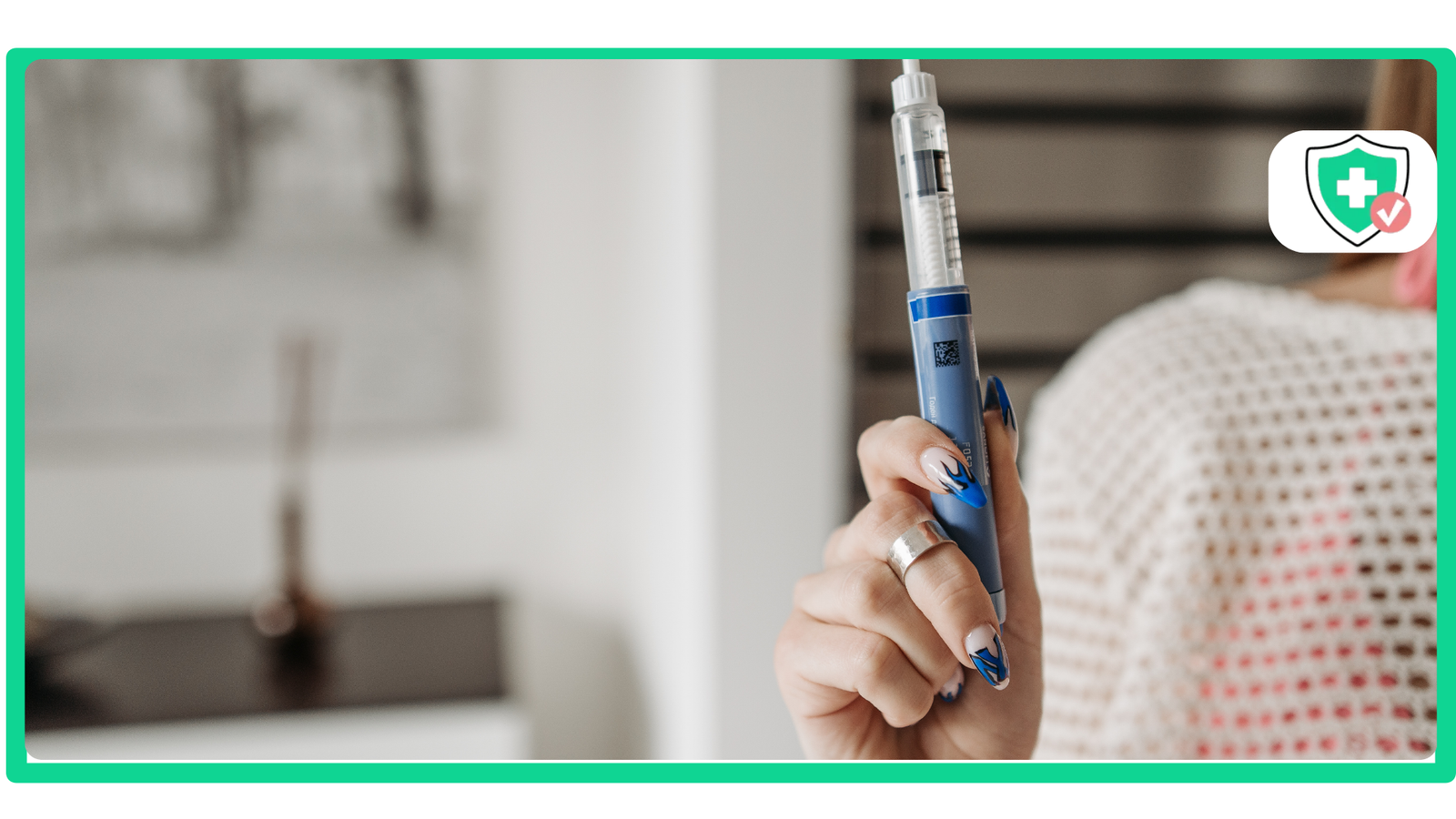


Many people on a health journey often have questions about their medicines. If you’re taking a medicine like Semaglutide, you might wonder, “Can you drink alcohol while taking Semaglutide?”. This is a very common and smart question to ask. It’s important to know how medicines and your daily choices, like drinking alcohol, can mix together.
Semaglutide is a popular medicine. It helps people manage their weight and can also help those with Type 2 Diabetes. You might know it by brand names like Ozempic or Wegovy.
The good news is, there isn’t a strict rule that says you can’t drink any alcohol at all. However, there are some really important things you need to know. This guide will give you clear and easy-to-understand information.
We will talk about how alcohol might interact with your medicine, any possible risks, and what experts suggest. Always remember, the best advice comes from your own doctor.
What is Semaglutide and How Does it Work?
Before we talk about alcohol, let’s quickly look at what Semaglutide does in your body. It helps you understand why alcohol might be a concern.
A Quick Look at Semaglutide (Ozempic/Wegovy)
Semaglutide is a type of medicine called a GLP-1 receptor agonist. Think of GLP-1 as a helpful signal in your body. Semaglutide acts like this signal. It does a few important things.
First, it helps control your blood sugar levels, especially after you eat. It also slows down how quickly food moves from your stomach. This helps you feel fuller for longer. Feeling full can lead to eating less, which helps with weight loss.
Why Understanding This Matters for Alcohol
Because Semaglutide affects your blood sugar and slows down your digestion, alcohol can cause problems. Alcohol also changes blood sugar and how your body processes things. When you mix them, these changes can become bigger or more risky.
The Core Question: Can You Drink Alcohol While Taking Semaglutide?
So, let’s get right to it: can you drink alcohol while taking Semaglutide?
Generally, there isn’t a rule that says alcohol is totally forbidden, like with some other medicines. However, it’s not a free pass to drink as usual. You need to be very careful.
There isn’t a direct chemical reaction that makes Semaglutide unsafe with just any amount of alcohol. But alcohol can make some of the side effects of Semaglutide worse. It can also affect other health conditions that Semaglutide is trying to help.
Potential Risks and Side Effects of Mixing Semaglutide and Alcohol
Mixing alcohol with Semaglutide can lead to some problems. It’s good to know what these are so you can be careful.
Risk of Low Blood Sugar (Hypoglycemia)
Both Semaglutide and alcohol can lower your blood sugar levels. When you use them together, your blood sugar might drop too much. This is called hypoglycemia.
Symptoms of low blood sugar include feeling dizzy or confused, shakiness, and sweating. If you have Type 2 Diabetes, this risk is even higher for you.
Worsening Digestive Side Effects
Semaglutide is known to cause some tummy troubles for many people. These can include feeling sick (nausea), throwing up, having loose stools (diarrhea), or not being able to go to the bathroom (constipation). Alcohol can also upset your stomach and gut.
If you combine them, these uncomfortable side effects could get much worse. Imagine someone like David, who occasionally enjoyed a glass of wine. After starting Semaglutide, he found that even a small amount of alcohol caused his nausea to return much more intensely than usual. This led him to largely avoid drinking while on his medication.
Dehydration
Alcohol makes you pee more often. This means your body loses fluids, which can lead to dehydration. Semaglutide can also sometimes cause you to lose fluids if you have diarrhea or are throwing up.
Putting these two together means you could get dehydrated faster and more easily. Staying hydrated is very important for your health.
Pancreatitis Concerns (Rare but Serious)
This is rare, but it’s important to know about. Both Semaglutide and drinking a lot of alcohol have been linked to a serious problem called pancreatitis. This means your pancreas, a gland in your belly, becomes inflamed.
While it’s not common, combining the two could possibly increase this risk. Pancreatitis causes very strong stomach pain, so if you feel that, get help right away.
Impact on Weight Loss Goals
One of the main goals for many taking Semaglutide is to lose weight. Alcohol can work against this goal. Alcohol has “empty calories,” meaning it adds calories without giving your body much nutrition.
Also, when you drink, it can be harder to make healthy food choices. This might slow down or even stop your progress with Semaglutide. For those seeking comprehensive support for their weight management journey, understanding all factors, including dietary choices, is essential. Learn more about personalized plans at Semaglutide Medics.
Best Practices for Alcohol Consumption While on Semaglutide
So, if you still want to have an occasional drink, what’s the safest way to do it? It’s all about being smart and safe.
Always Talk to Your Doctor First
This is the most important piece of advice we can give you. Your doctor knows everything about your health, other medicines you take, and your personal risks. They can give you the best advice that is just for you.
Our dedicated team of licensed medical professionals at Semaglutide Medics can help you navigate these important questions. They will ensure your treatment plan is safe and effective, fitting your unique needs.
Practice Extreme Moderation
If your doctor says it’s okay to drink a little, “moderate” means different things for men and women. For women, this usually means no more than one drink per day. For men, it means no more than two drinks per day.
However, when you are taking Semaglutide, it might be even better to drink less than these “moderate” amounts. Sometimes, even one drink might be too much for your body while on the medicine.
Stay Hydrated and Eat Well
If you do decide to have an alcoholic drink, make sure you drink lots of water too. Water helps keep you hydrated. Also, never drink alcohol on an empty stomach. Always eat a balanced meal before or while you are drinking. This helps your body absorb the alcohol more slowly.
Listen to Your Body
Pay very close attention to how you feel after you have an alcoholic drink. If you notice that your side effects are getting worse, or if you feel anything unusual, stop drinking. Talk to your doctor right away about what you experienced.
Starting your journey with Semaglutide Medics includes personalized care and medication delivery to your home, all for $299 per month. We prioritize your health and transparent pricing, so you can focus on feeling better.
When to Avoid Alcohol Completely
There are times when it’s best to avoid alcohol altogether. This includes if you have ever had pancreatitis, if you have very bad stomach problems, or if you struggle with drinking too much alcohol. Also, if your doctor tells you not to drink alcohol, it’s important to follow their advice.
Conclusion
So, can you drink alcohol while taking Semaglutide? The answer is not a simple yes or no, but rather a cautious maybe. There is no official rule saying you absolutely can’t, but alcohol can definitely make the side effects of Semaglutide worse. It could also slow down your progress toward weight loss or managing your blood sugar.
The most important message is to be very careful and always get advice from your doctor. Your health goals and safety should always come first. Please have an open and honest chat with your doctor about your drinking habits.
They can give you the best advice that is just right for your unique health situation. Ready to discuss your treatment options and lifestyle considerations with an expert? Book a free online consultation with our team today through our patient portal.
Authentic and Original Sources
-
U.S. Food and Drug Administration (FDA) Prescribing Information – Ozempic/Wegovy (Semaglutide)
-
Centers for Disease Control and Prevention (CDC) – Alcohol and Public Health
-
National Institute on Alcohol Abuse and Alcoholism (NIAAA) – Alcohol’s Effects on the Body