

When you are learning a new routine with a new medication, mistakes can sometimes happen. It’s just a part of being human. If you have accidentally injected the wrong amount of your medication, it can be a scary moment. Your first panicked thought might be, what to do if you take too much semaglutide?
The most important thing to do right now is to take a deep, calm breath. This guide is here to give you clear, step-by-step instructions. We will walk you through exactly what you need to do to handle this situation safely.
The First and Most Important Step: Don’t Panic
Your first feeling might be panic, but we want to reassure you. Taking the wrong dose is something that needs to be taken very seriously, but you should not panic.
Why You Shouldn’t Panic
A one-time mistake with your dose is usually not a life-threatening emergency. You have time to get the help and advice you need.
Semaglutide is a “long-acting” medicine. This just means that its effects happen slowly over a long period of time, not all at once. This gives you plenty of time to call for help and manage the symptoms.
What Happens in an Overdose?
So, what does an overdose of Semaglutide actually do? For the most part, it just makes the normal side effects of the medicine much stronger.
The two main things that doctors will watch for are very bad nausea and the possibility of low blood sugar.
Symptoms of a Semaglutide Overdose to Watch For
Knowing what to look for can help you feel more in control. The symptoms of taking too much are usually just stronger versions of the normal side effects.
Severe Nausea and Vomiting
This is the most common and most likely thing you will feel. Semaglutide works by slowing down your stomach. When you take too much, your stomach can slow down way too much.
This can lead to a very strong feeling of nausea and may cause you to vomit. This can be unpleasant, but it will pass.
Low Blood Sugar (Hypoglycemia)
This is the most important safety concern. Your body’s blood sugar levels might drop too low. This is especially a risk for people who also take other medicines for diabetes.
Here are the signs of low blood sugar to watch for:
-
Feeling very shaky, jittery, or nervous
-
Feeling dizzy, lightheaded, or woozy
-
Sweating even when it’s not hot
-
Feeling confused or having trouble thinking clearly
-
A very fast or pounding heartbeat
Your Immediate Action Plan: What to Do If You Take Too Much Semaglutide
Okay, this is the most important part of our guide. If you think you’ve taken the wrong dose, here is your clear, step-by-step plan for what to do if you take too much semaglutide.
Step 1: Call for Medical Advice Immediately
This is your first and most important job. Do not wait. You need to talk to a medical expert right away.
Here are your two best options:
-
Call Your Doctor: The first choice is to call the doctor or the medical team who prescribed your Semaglutide. Their number should be on your medication bottle or in your patient information.
-
Call the Poison Control Center: You can also call the national Poison Control hotline at 1-800-222-1222. This number works anywhere in the United States. The people who answer are experts in medication mistakes. The call is free, it’s private, and they are open 24 hours a day, 7 days a week.
Step 2: Monitor for Low Blood Sugar
While you are waiting for medical advice, your next job is to be ready for any signs of low blood sugar.
It’s a good idea to have something with sugar nearby. Good choices are a small glass of fruit juice, a regular soda (not diet), or even a few pieces of hard candy. If you start to feel shaky or dizzy, you should have one of these right away.
Step 3: Manage Nausea and Stay Hydrated
You will probably feel quite nauseous, so be prepared for that. The best thing you can do is to sip on clear fluids to stay hydrated.
Good choices are plain water, clear broth, or sports drinks that have electrolytes. Try to eat small bits of bland foods, like plain crackers or dry toast, but only if you feel up to it. Don’t force yourself to eat.
How to Prevent an Accidental Overdose in the Future
Once you have handled the current situation, it’s a good idea to think about how to make sure it doesn’t happen again. A few simple habits can make a big difference.
Read the Syringe Carefully
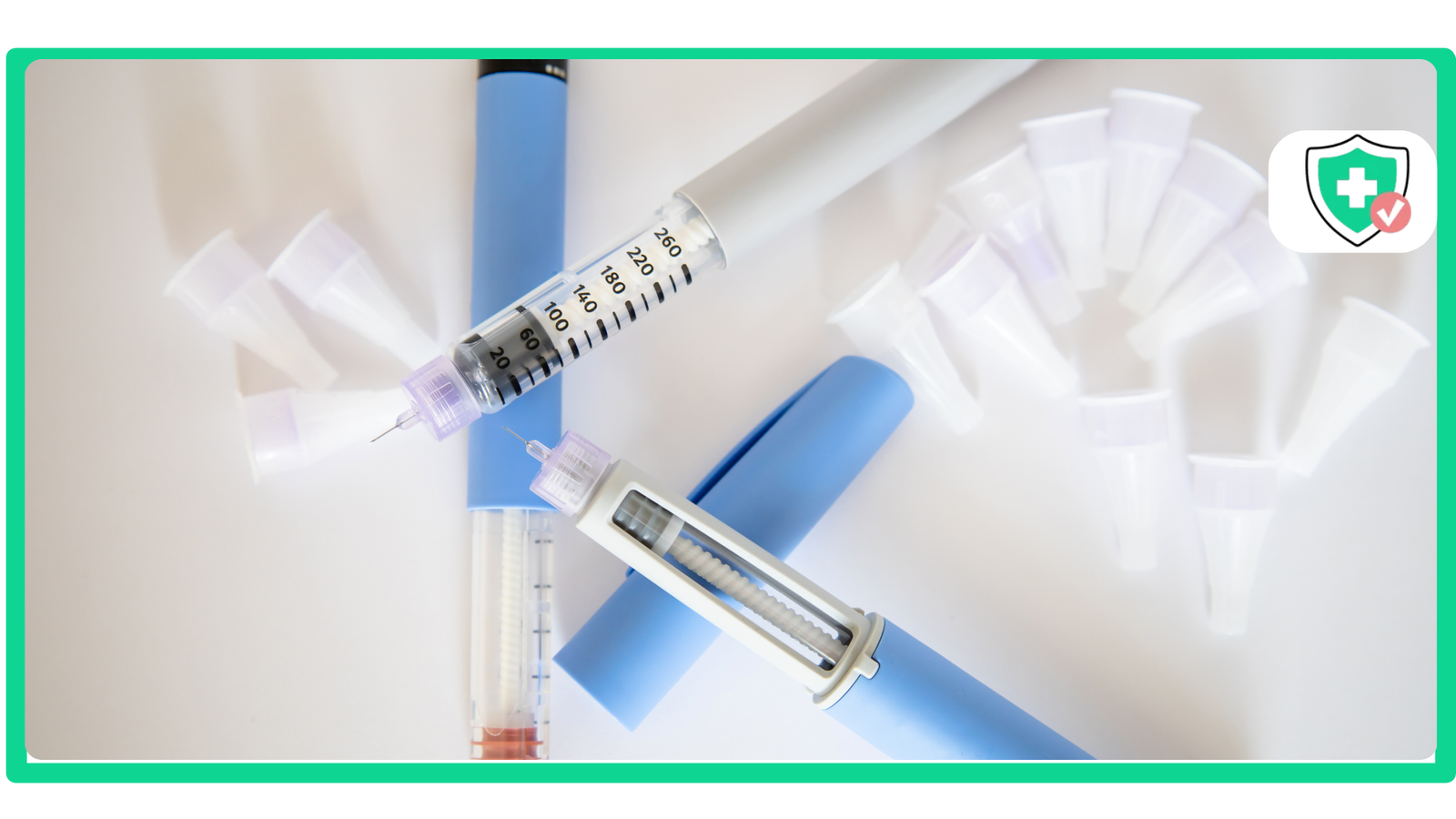
Before you ever draw up your medicine, take a moment to look closely at the unit markings on the side of the syringe. Make sure you do this in a room with good lighting. Double-checking only takes a second and is the best way to prevent a mistake.
Create a Routine
Having a solid routine can really help. Try to take your injection on the same day and at the same time every single week.
As soon as you finish your injection, mark it on a calendar or in a notebook. You can also set a reminder on your phone for your next dose. This way, you will never have to wonder, “Did I already take my shot this week?” Our team works with patients to establish a safe and easy-to-follow routine from the very beginning.
The Value of a Supportive Medical Partnership
Mistakes can happen, and knowing that you have a dedicated medical team that you can call is a huge part of feeling safe and supported on your health journey.
At Semaglutide Medics, this continuous support is built right into our program. For a straightforward $299 per month, you receive not only your medication and supplies delivered to your home but also ongoing access to our providers. You can call or message us with any questions or concerns that come up. If you have non-urgent questions, you can always contact us.
Conclusion: A Final Word on Staying Safe
Taking too much medication can be a scary experience, but now you have a clear plan. If it ever happens, remember to stay calm, call for help right away, and keep a close eye on your symptoms.
So, what to do if you take too much semaglutide? Just follow those simple steps: call, monitor, and manage. Most importantly, know that by being careful and having great professional support, you can continue your weight loss journey safely and with confidence.
Ready to start your journey with a team that puts your safety first? You can get started through our secure patient portal today.