
If you’ve ever had a routine check-up, you know the feeling of getting your blood drawn. As you watch the little tube fill up, you might wonder, “What exactly are they looking for in there?” When you are taking a new medication, that question can become even more specific. You might be curious and asking, does semaglutide show up in blood work? It is a very smart question to ask. The simple answer is no, it does not show up on the kind of tests you might be thinking of. Let’s find out exactly why that is.
The Simple Answer: No, Not on a Regular Test
Let’s get right to the clear and simple answer. If you have to get a standard blood test for a check-up, or a typical drug screen for a new job, the semaglutide medication in your body will not be detected.
Here is an easy way to think about it. Imagine that a standard drug test is like a security guard at a party who has been given a list of three specific troublemakers to look for. The guard is only trained to spot those three people.
Semaglutide is like a helpful and invited guest at the party. The security guard is not looking for it, and they wouldn’t even recognize it if they saw it. It is simply not on their list.
To find semaglutide in your blood, a scientist would have to use a very special, very expensive, and very complicated research test. These are not the kinds of tests that doctors or employers ever use in normal situations.
Why Don’t Standard Tests Look for Semaglutide?
This is a great question, and the answer helps us understand the purpose of different kinds of tests. A drug test for semaglutide isn’t a normal thing because drug tests are designed to do a very specific job.
Their job is to look for illegal drugs or for legal medicines that are often abused or used in a dangerous way. They are looking for substances that could cause problems with safety or performance.
Semaglutide is a legal, prescription medication that a doctor has given to you to help with a real health condition. It is a helpful medical tool, not a drug of abuse. That is why no one is looking for it on a standard test.
So, What Blood Work Is Important on Semaglutide?
This is where we get to the really important part of our conversation. While your doctor is not looking for the semaglutide medicine itself, they are very interested in seeing all of the wonderful and positive effects that the medicine is having on your body.
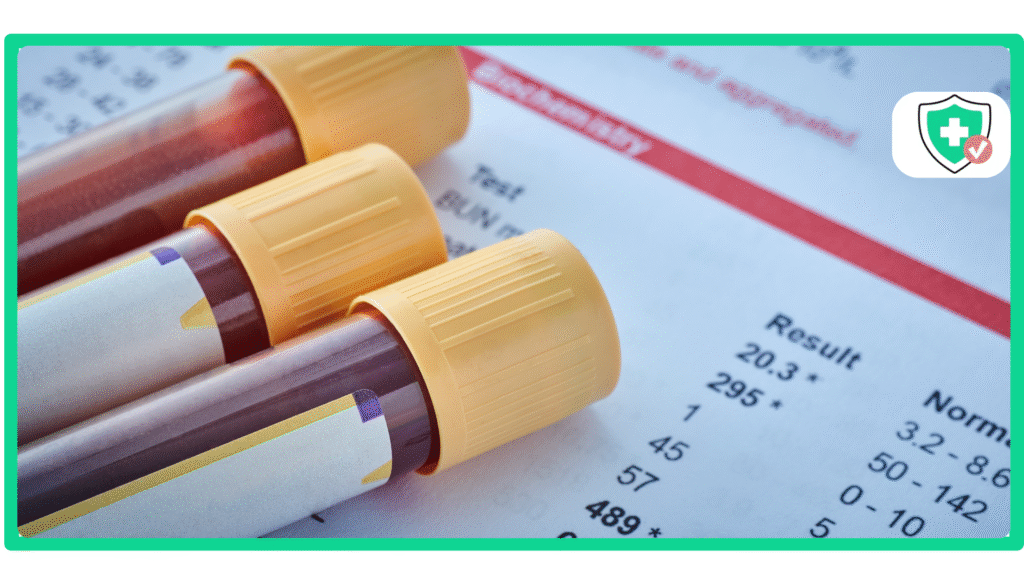
When you are on this health journey, your doctor will ask you to get some blood work done from time to time. This is to check on your progress and to make sure you are staying healthy. Here are the important things they are looking for in your semaglutide lab results.
Checking Your A1c (Blood Sugar)
One of the most important tests your doctor will look at is called the A1c test. This amazing test can show what your average blood sugar level has been for the past three months.
Your doctor will check this to see how well the semaglutide is helping your body to process sugar in a healthier way. Seeing your A1c number improve is a fantastic sign that the medicine is doing its job.
Looking at Your Cholesterol Levels
Losing excess weight has so many amazing health benefits, and one of the biggest ones is that it can help your heart. When you lose weight, your cholesterol levels often get much healthier.
Your doctor will use a blood test to look at your cholesterol and other fats in your blood, which are called lipids. Watching these numbers improve is another great way to see your health getting better.
Making Sure Your Kidneys and Liver are Happy
When you are on any long-term medication, it is a standard and safe practice for your doctor to check on your important organs.
A routine blood test will help your doctor see that your kidneys and your liver are happy and working perfectly while you are on the medication. This is a key part of making sure you stay safe and healthy.
Monitoring these lab results is a sign of a high-quality medical program. Our medical team is committed to the highest standards of care for all of our patients.
The Doctor’s Role in Monitoring Your Health Journey
Getting your blood work done from time to time is a key part of your partnership with your doctor. These tests are like a report card that shows how well your health plan is working.
These tests help your doctor make sure that you are on the perfect dose of your medication. They also help your doctor see that you are getting all of the amazing health benefits from the medicine, not just the ones you see on the scale. This is the real reason why a semaglutide blood test is so important.
It is so important to have a professional guiding you on this journey. You can start your free, medically-supervised consultation today.
A Simple and Transparent Approach to Your Health
We believe in making every part of your health journey easy to understand. This includes everything from your lab results to the cost of your treatment.
Our all-inclusive program is $299 per month. This one price covers your ongoing medical care, your medication, all of your supplies, and free home delivery. There are never any hidden fees.
We also believe in making it easy for you to stay in touch with your provider. You can easily communicate with your provider about your lab results through the Patient Portal.
The Final Answer on Semaglutide and Blood Work
So, let’s bring it all together for one final, clear answer.
The question “does semaglutide show up in blood work” has a very clear answer: No, it is not detected on any standard blood tests or drug screens.
The blood work that you do get done while on your journey is much more important. It is used by your doctor to watch all of your amazing health progress. It is the best way to make sure that you are staying safe and getting healthier every single day.
If you have any more questions about your health journey, our friendly team is always here to help. Please contact our friendly team if you have any more questions.
Sources and Further Reading:
For readers who wish to learn more from official sources, we recommend the following resources. These are non-competing, authoritative links that provide additional information on this topic.
- Labcorp – “Lipid Panel”: https://www.labcorp.com/tests/303756/lipid-panel (An example of a standard blood test from an authoritative source).
- National Institute of Diabetes and Digestive and Kidney Diseases (NIDDK) – “The A1C Test & Diabetes”: https://www.niddk.nih.gov/health-information/diabetes/overview/tests-diagnosis/a1c-test