
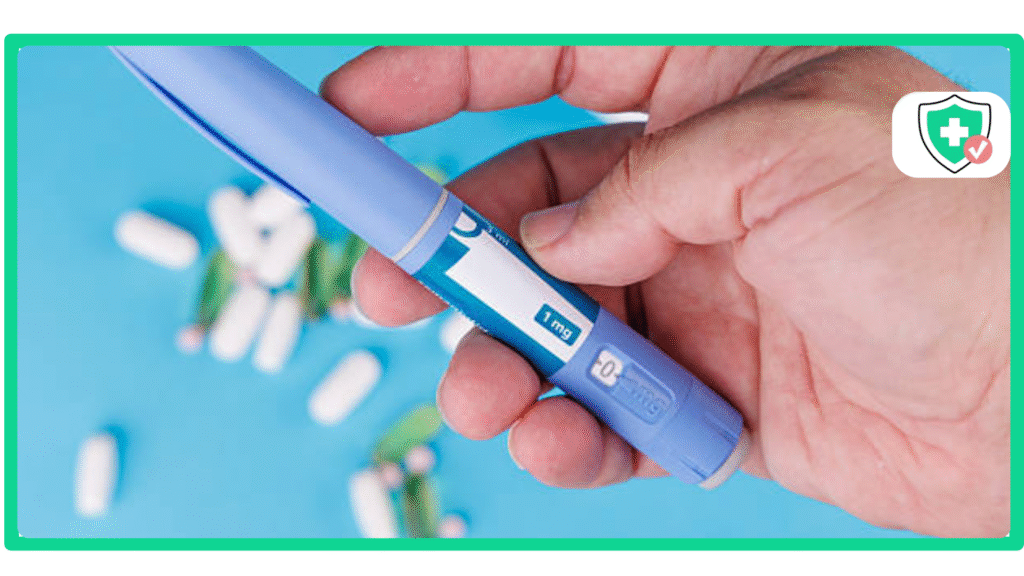

Semaglutide is an amazing tool that is helping so many people on their weight loss journey. But just like any medicine that is strong enough to work, it’s not always a perfect ride. It’s smart and responsible to look past the success stories and ask, what is the dark side of semaglutide?
Thinking about the risks doesn’t mean the medication is bad. It means you are being a careful and informed patient, which is a great thing!
This guide will give you an honest and balanced look at the common side effects and the rare risks. Understanding these challenges is the very first step to managing them safely with your doctor.
The Most Common “Dark Side”: Gastrointestinal Side Effects
Let’s start with what most people notice when they begin taking Semaglutide. The most common “dark side” is really just a list of tummy troubles.
What to Expect When You Start
Most of the side effects of Semaglutide happen in your digestive system. This makes sense, because that’s where the medicine does a lot of its work, slowing down your stomach.
Here are the most common things people feel:
-
Nausea: This is the big one. Feeling a bit queasy is the most common side effect, especially after your first few injections.
-
Diarrhea: Some people might have looser stools than normal.
-
Constipation: On the other hand, some people might get a bit blocked up.
-
Vomiting: This is less common than nausea, but it can happen.
-
Belly Pain and Bloating: You might feel a bit gassy or have some mild cramps.
Why This Happens and How to Manage It
These side effects happen because the medicine is changing how quickly your stomach empties. Your body is smart, but it can take a little time to get used to this new, slower pace.
The great news is that there are simple tricks to make these feelings much better. Starting on a very low dose of the medicine is key. Also, eating smaller meals throughout the day can help a lot. Try to avoid super greasy or spicy foods, and be sure to drink plenty of water.
Working with a provider to manage this initial phase is so important. Learn more about us and our supportive approach to patient care.
Beyond the Tummy Troubles: Other Potential Concerns
Now that we’ve covered the most common issues, let’s explore the more subtle parts of the question, what is the dark side of semaglutide? There are a few other things people report feeling.
Fatigue and “Ozempic Head”
Feeling more tired than usual is something many people notice at the beginning. This can happen for a couple of reasons. You are eating a lot fewer calories, which means less energy for your body. Your body is also just busy getting used to the medication.
Some people also report getting headaches, sometimes called an “Ozempic head.” Just like the tummy troubles, these feelings usually get much better or go away completely after a few weeks.
The Risk of Muscle Loss
When you lose weight very quickly, your body doesn’t just burn fat. It can also burn some of your muscle. This can happen with any diet or weight loss method, not just with Semaglutide.
This is why it’s so important to see Semaglutide as a helper, not a magic wand. To protect your muscles, you should focus on eating enough protein and doing some strength training, like lifting weights or doing bodyweight exercises. This tells your body to burn fat for fuel and keep your muscles strong.
The “Ozempic Face” Phenomenon
You may have heard people talk about “Ozempic face” in the news. This is a term for when someone’s face looks a bit saggy or hollow after losing a lot of weight.
It’s important to know that the medicine is not doing anything to your face. This is simply what happens when you lose a lot of the natural fat in your face very quickly. It’s a side effect of fast weight loss in general.
Rare but Serious Risks: What You Must Know
Now it is time to talk about the most serious part of the “dark side.” These risks are very, very rare, but they are real, and you must know the warning signs to stay safe.
Pancreatitis and Gallbladder Issues
In rare cases, Semaglutide can cause inflammation of the pancreas, which is called pancreatitis. It can also cause problems with your gallbladder.
The main warning sign for these issues is a very bad pain in your stomach that does not go away. The pain might also spread to your back. If you ever feel this, you need to get medical help right away.
The FDA Boxed Warning: Thyroid C-Cell Tumors
If you look at the official information for Semaglutide, you will see a “boxed warning” from the FDA. This is the most serious type of warning.
The warning says that in studies with rats, Semaglutide caused a specific type of thyroid tumor. It is very important to know that scientists do not know if this is a risk for humans. So far, it has only been seen in rodents.
Because of this, doctors are very careful. If you or anyone in your family has ever had a type of thyroid cancer called medullary thyroid carcinoma (MTC), you should not take Semaglutide. You also should not take it if you have a rare condition called Multiple Endocrine Neoplasia syndrome type 2 (MEN 2). For any concerns about this, you must contact a medical professional.
Navigating the Journey Safely and Affordably
Understanding and managing the potential “dark side” is why professional medical oversight is not just recommended—it’s essential. You should never try to manage this medication on your own.
At Semaglutide Medics, our entire program is built around this principle of safety. For a straightforward fee of $299 per month, you receive ongoing consultations with licensed providers who monitor your progress and manage side effects, along with your medication delivered discreetly to your door.
Conclusion: Balancing the Risks and Rewards
The “dark side” of Semaglutide is mostly made up of tummy troubles that get better with time. However, there are also more important considerations and some rare but serious risks that you need to be aware of.
So, what is the dark side of semaglutide? It’s a series of potential challenges that are well-known and can be safely managed, or even avoided completely, when you have the right medical team on your side.
Ready to start a weight loss journey with a team that prioritizes your safety and well-being? Get started through our secure patient portal today.