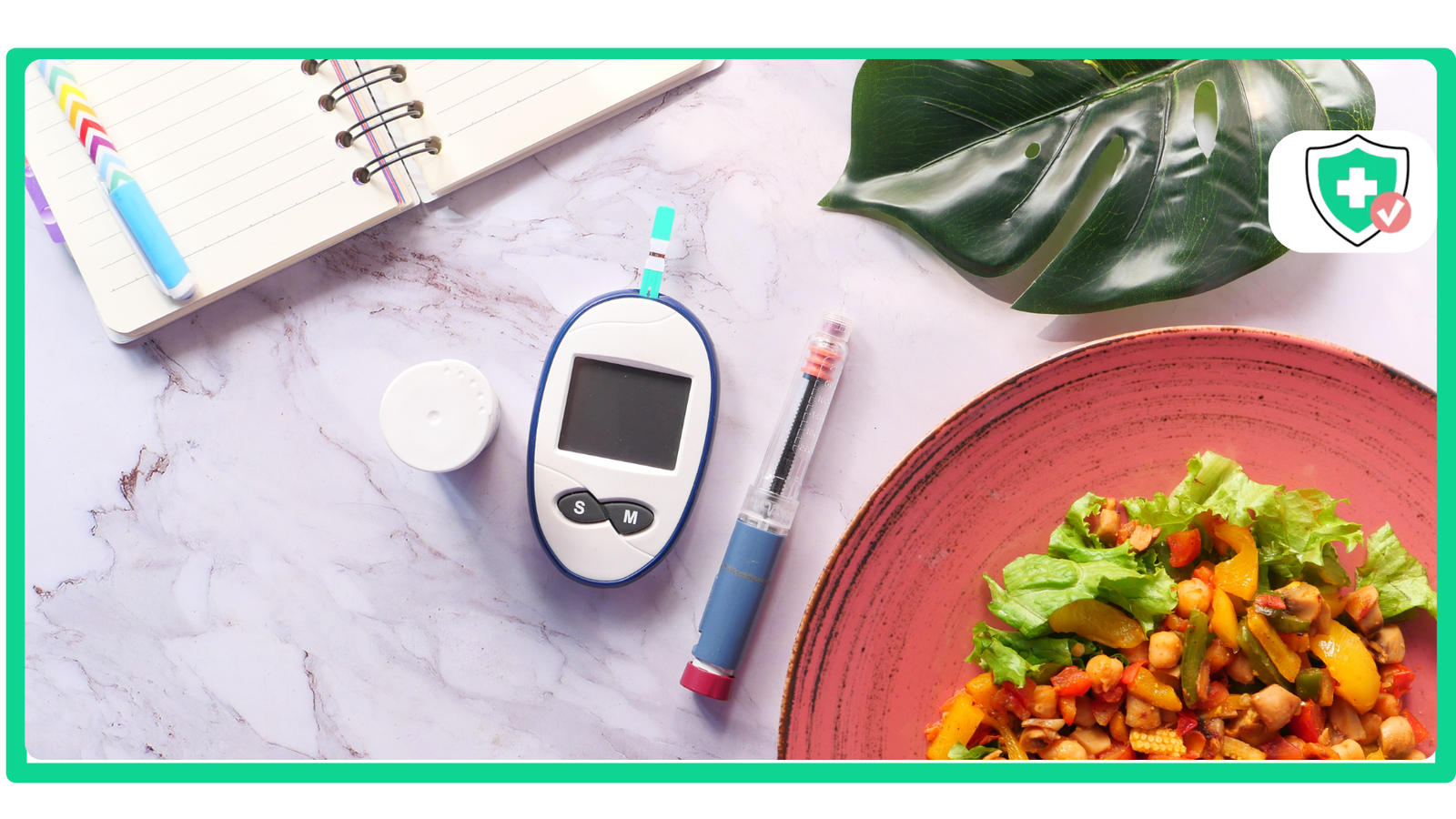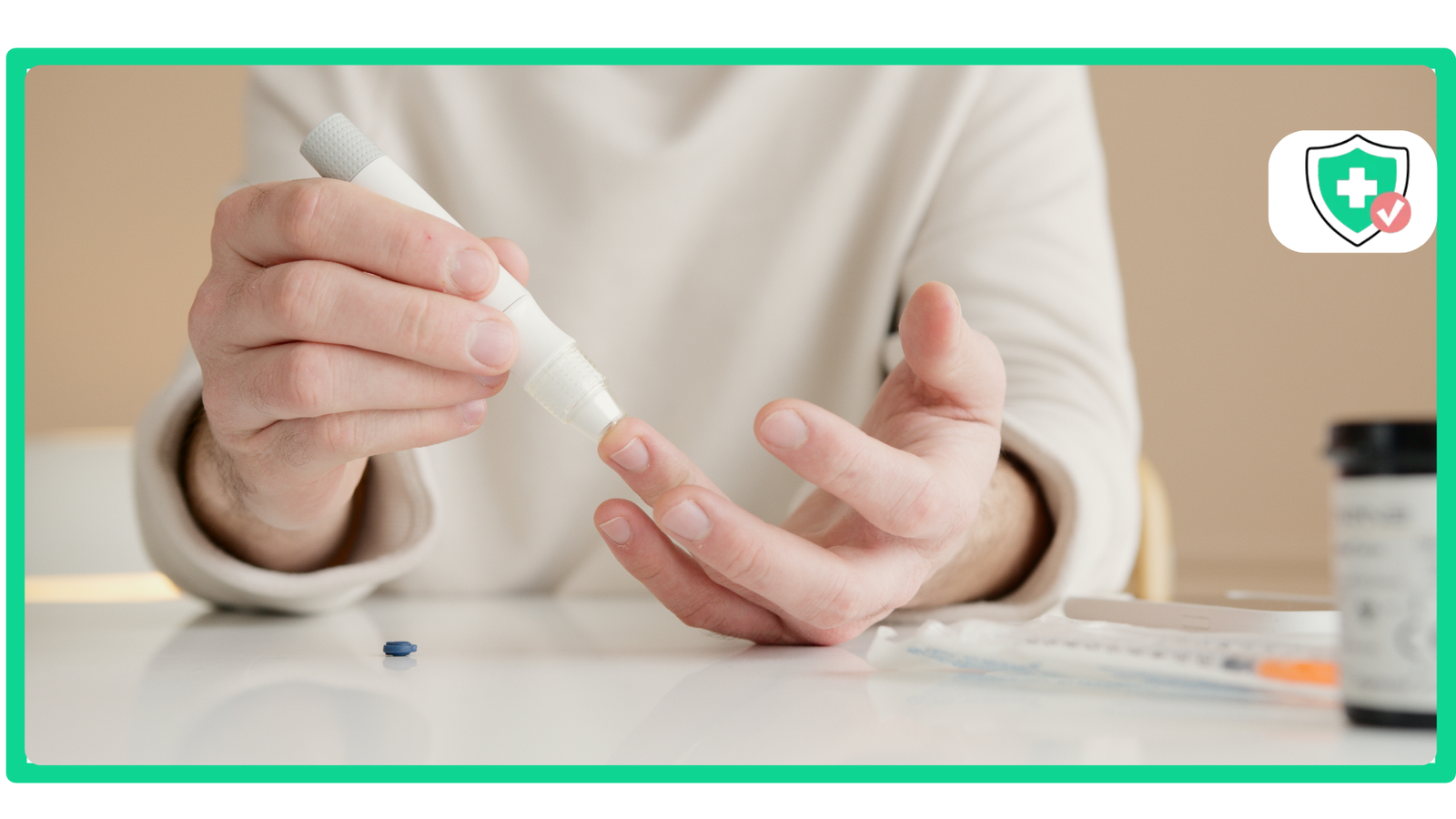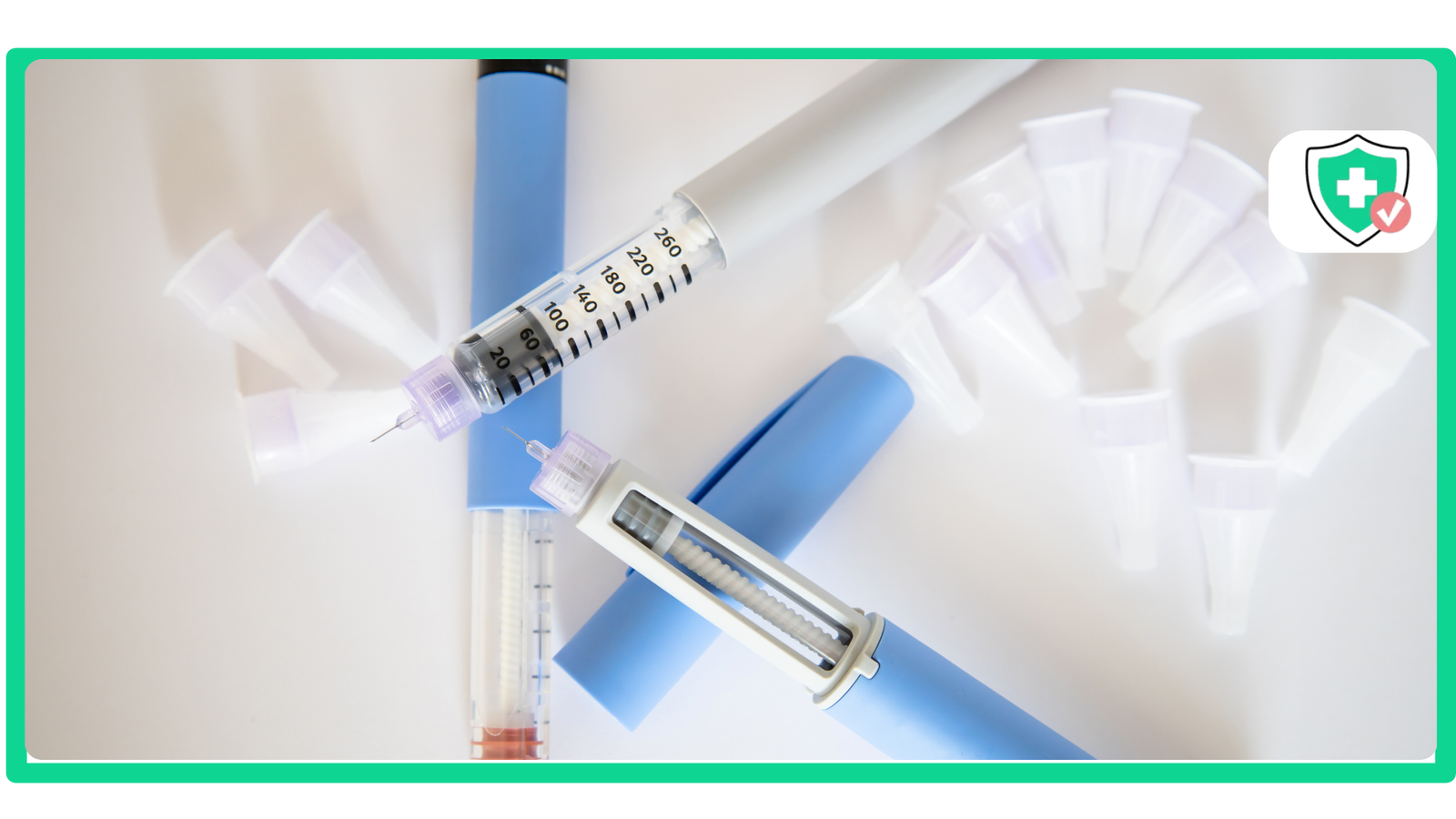
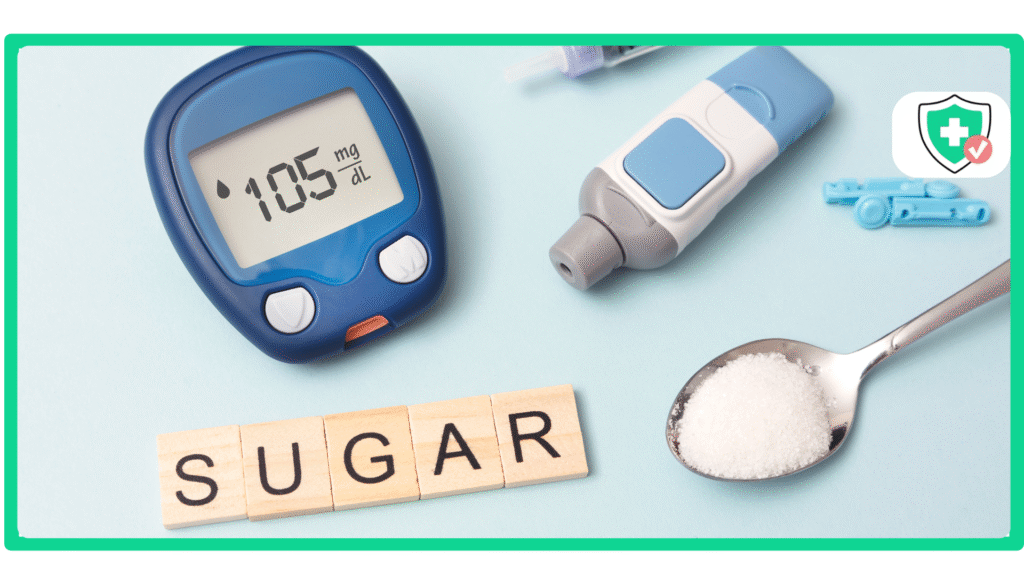

When you start a new medication, it is super smart to ask a lot of questions. You want to feel safe and confident about what you are putting into your body. One question that sometimes comes up is about semaglutide and diabetes. We are here to give you a very direct and simple answer to the question: Can semaglutide cause diabetes? We will explain how the medicine really works in a way that is easy to understand.
So, let’s get right to it. The short and reassuring answer is no, it does not. In fact, semaglutide does the exact opposite of causing diabetes. Let’s explore the true story of this amazing medication.
The Surprising History of Semaglutide
Today, almost everyone knows about semaglutide because it is so helpful for weight loss. But the interesting thing is, that’s not why it was first invented. Before it was famous for weight loss, it was created for a completely different reason.
Scientists first made semaglutide to help people who have Type 2 diabetes. Its main job was to help the body control semaglutide and blood sugar levels. Famous brand names like Ozempic® were first approved by the FDA just for this reason.
It was during the studies for diabetes that doctors noticed a wonderful side effect. The people taking the medicine were also losing weight! This happy accident is why it’s so popular today. But remembering its history is the key to understanding why it doesn’t cause diabetes.
How Does Semaglutide Actually Work?
So, what is this medicine actually doing inside your body? Explaining how semaglutide works is pretty simple. Think of it like a friendly and helpful coach for some of the parts of your body that manage sugar.
It does three main things to help keep your blood sugar in a healthy, happy range.
It Helps Your Body Use Insulin Better
Your pancreas is an organ in your body that makes something called insulin. Insulin’s job is to help sugar get out of your blood and into your cells for energy. In people with high blood sugar, this system doesn’t work as well as it should.
Semaglutide acts like a coach for your pancreas. It tells it to release insulin at just the right time, right after you eat a meal. This helps your body use the sugar from your food for energy, instead of letting it build up in your blood.
It Slows Down Digestion
Have you ever eaten a big meal and then felt a big rush of energy, followed by feeling sleepy? Semaglutide helps to smooth that out. It tells your stomach to empty a little more slowly.
This is a good thing because it stops a big rush of sugar from hitting your blood all at once. It also has the nice side effect of making you feel full and satisfied for a longer time.
It Reduces Sugar from the Liver
Your liver is like a storage unit for extra sugar. Sometimes, it can release too much of this stored sugar into your blood, even when you don’t need it. Semaglutide sends a gentle message to your liver, telling it to release less of this extra sugar.
As you can see, all three of these actions are designed to lower your blood sugar and keep it stable. They work together to fight high blood sugar, not to cause it.
So, Why Do People Ask, “Can Semaglutide Cause Diabetes?”
This is a very fair question. If the medicine is so good at controlling blood sugar, what happens if you stop taking it? This is where the confusion can come from, so let’s clear it up.
Semaglutide is a powerful tool, but it’s not a magic cure. If a person stops taking the medication and goes back to their old lifestyle habits, their blood sugar will likely go back to where it was before they started.
This is not the medication causing diabetes. It’s the underlying health condition returning because the helpful tool has been removed. This is why a medically supervised program is so important. A good program doesn’t just give you medicine; it helps you build healthy habits that last. Answering “can semaglutide cause diabetes” really shows why having a doctor to guide you is so key.
You are never alone on this journey. Our team of dedicated medical professionals guides you from the very beginning.
What About Semaglutide for Prediabetes?
This is another area that shows how semaglutide helps with blood sugar. Prediabetes is a condition where a person’s blood sugar is higher than normal, but not high enough to be called Type 2 diabetes yet. It’s like a warning sign from your body.
Doctors will often prescribe semaglutide for prediabetes. This is because the two main effects of the medication—helping you lose weight and improving how your body handles sugar—are exactly what is needed to help prevent prediabetes from turning into full Type 2 diabetes.
So, far from causing diabetes, this medicine can be a powerful tool to help stop it from ever developing. If you are curious about your own health, you can start your free, confidential health consultation today.
Our Commitment to Safe and Medically-Supervised Care
Understanding how a medication works is the key to feeling safe and confident on your health journey. Our entire process is designed to support you with expert medical guidance from your first day to your last. We want you to feel empowered and informed.
We also keep our pricing simple and clear so you can focus on your health. Our all-inclusive program is $299 per month. This covers your doctor’s care, your medication, all supplies, and free, discreet delivery. There are no hidden fees.
We are always here to support you. You can manage your care and communicate with your provider through our Patient Portal whenever you have a question.
The Final Answer: Semaglutide Is a Tool Against Diabetes
Let’s sum up everything we have learned. It’s time to give a final, confident answer to our big question.
The question “can semaglutide cause diabetes” has a very clear answer: No, it cannot. In fact, it was first designed as a powerful tool to treat Type 2 diabetes.
It is a medication that helps your body manage blood sugar in a healthier way. For many people, it can even be a key part of preventing diabetes from ever starting. The science is clear, and we hope you feel reassured and informed.
If you have any more questions about your health journey, please contact our friendly team with any other questions. We are always happy to help.
Sources and Further Reading:
For readers who wish to learn more from official sources, we recommend the following resources. These are non-competing, authoritative links that provide additional information on semaglutide and diabetes.
- National Library of Medicine – MedlinePlus, “Semaglutide Injection”: https://medlineplus.gov/druginfo/meds/a618008.html
- Diabetes UK – “Semaglutide – uses, how it works and side effects”: https://www.diabetes.org.uk/guide-to-diabetes/managing-your-diabetes/treating-your-diabetes/tablets-and-medication/semaglutide