
Home / Semaglutide / How Many Units Is 1 mg of Semaglutide?
How Many Units Is 1 mg of Semaglutide

How Many Units Is 1 mg of Semaglutide?

When you start a new medication, it’s normal to have questions. If your doctor tells you to take a dose in “mg” but your syringe is marked in “units,” it can feel confusing. A lot of people are asking a very specific question. How many units is 1 mg of semaglutide?

That’s a very important question. But here is the most important fact you need to know right away: There is no single answer to this question. The right number of units depends on how strong your specific medication is. This article will teach you how to figure this out safely.

The Golden Rule of Medication: Your Doctor’s Prescription is Law

Before we do any math, let’s talk about the number one rule. It is simple but very important. Your doctor prescribes your dose in milligrams (mg). This is the amount of medicine you should take.

This article is here to help you understand how the math works. It is not here to help you choose your own dose. Your goal is to learn how to draw up the right number of units to match the mg dose your doctor has already given you.

Milligrams (mg) vs. Units: What Do They Measure?

To understand this better, we need to know what these two words mean. They measure two different things.

Milligrams (mg) = The Strength
A milligram, or mg, is a measure of weight. It tells you the actual amount of real medicine in your dose. This is the most important number for you to know.

Units = The Volume
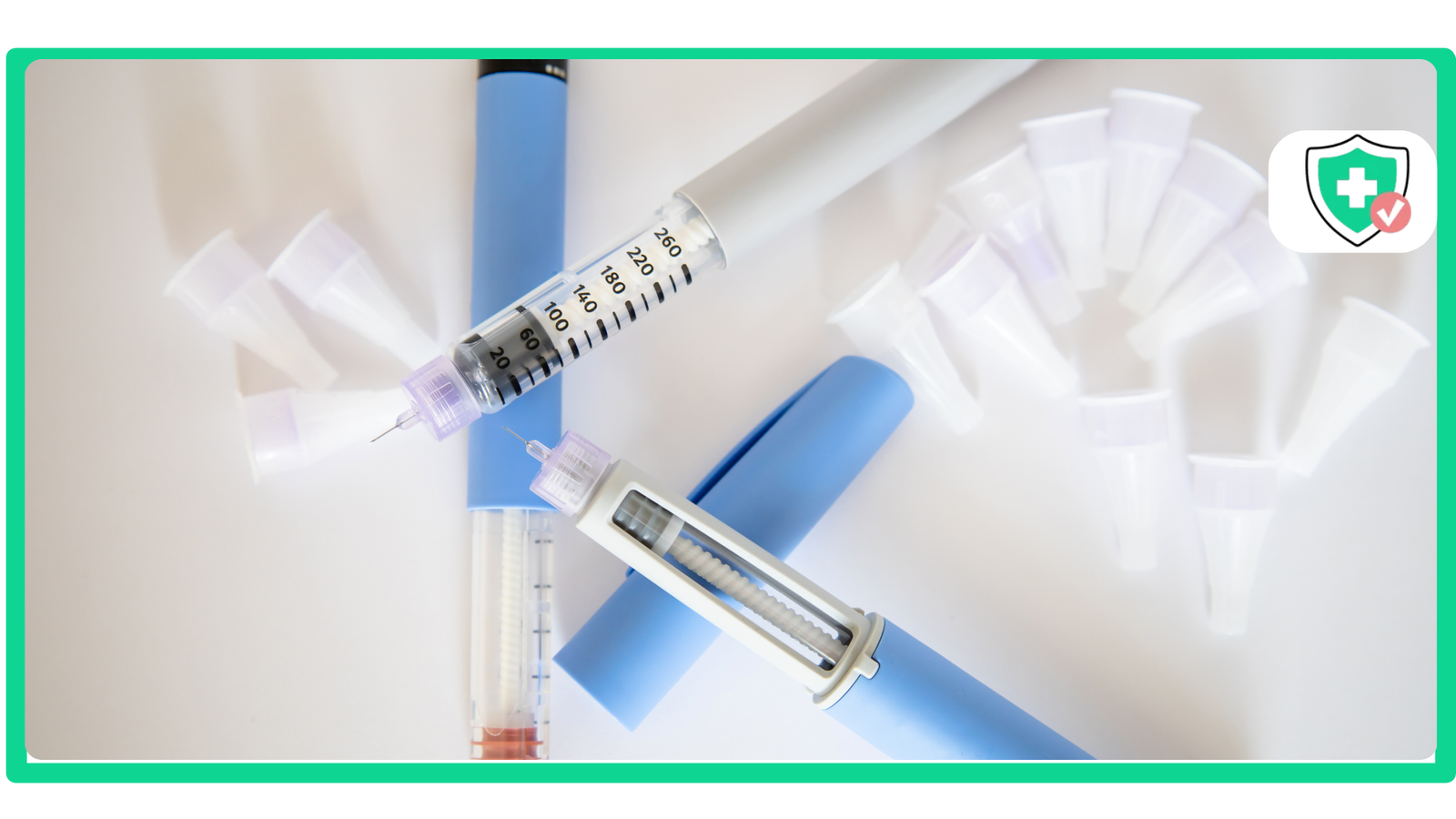
The “units” you see on an insulin syringe are a measure of volume. This means they measure how much space the liquid takes up. A standard insulin syringe holds 1 milliliter (mL) of liquid, and that space is divided into 100 little lines called “units.”

Because one measures weight and the other measures space, we can’t just say that 1 mg equals a certain number of units. We need one more piece of information.

The Key: Finding Your Semaglutide Vial’s Concentration

The missing piece of the puzzle is the strength of your medicine. This is also called the semaglutide concentration explained on your vial’s label.

Think of it like making hot chocolate. If you have a regular powder, you might need 4 spoonfuls to make a good cup. But if you have a super-rich, extra-strong powder, you might only need 2 spoonfuls to get the same yummy flavor. The strength of your medication works the same way.

When you learn how to draw semaglutide from a vial, the first step is always to read the label. You should look for a number that is written like “2.5 mg/mL” or “5 mg/mL.” This tells you how many milligrams of Semaglutide are in every 1 milliliter of liquid.

The Simple Math to Answer “How Many Units Is 1 mg of Semaglutide?”

Once you know the concentration of your vial, you can do some simple math. This will help you find the right number of units to draw into your syringe.

Here is the formula to use:
Units = (Dose in mg / Concentration in mg/mL) x 100

Let’s walk through a couple of examples. This is like a mini mg to units calculator semaglutide.

Example 1: Vial concentration is 2.5 mg/mL

Let’s say your doctor prescribed a 1 mg dose. Your vial says the concentration is 2.5 mg/mL.

So, how many units is 1 mg of semaglutide?
Units = (1 mg / 2.5 mg/mL) x 100
Units = 0.4 mL x 100 = 40 units

In this case, you would draw up 40 units into your syringe.

Example 2: Vial concentration is 5 mg/mL

Now, let’s say your doctor still prescribed a 1 mg dose. But this time, your vial says the concentration is 5 mg/mL.

So, how many units is 1 mg of semaglutide?
Units = (1 mg / 5 mg/mL) x 100
Units = 0.2 mL x 100 = 20 units

In this case, you would only draw up 20 units into your syringe.

CRITICAL SAFETY WARNING: Look at those two examples again. The answer to “how many units is 1 mg of semaglutide” can be 40 units or 20 units. The second vial is twice as strong! This is why you must NEVER guess or use instructions that weren’t given to you by your doctor for your specific medicine.

The Safest and Easiest Option: A Doctor-Guided Program

Doing math with your medicine can be stressful. Making a mistake can be very serious. This is why a doctor-guided program is always the safest choice.

Our commitment to patient safety is our number one priority. Our doctors don’t just give you a prescription; they give you clear, simple instructions for your exact medication.

When you’re part of our program, your instructions in  your personal patient portal will say: “Your dose is 1 mg. Your vial’s concentration is 5 mg/mL. Draw up 20 units.” We take away the guesswork so you can focus on your health.

Our comprehensive program is designed as a complete, worry-free package with a clear, flat rate of $299 per month. This all-inclusive price covers your medical consultations, the prescription medication itself, and free home delivery, ensuring you always receive clear instructions and a consistent supply.

Conclusion: So, How Many Units Is 1 mg of Semaglutide?

Let’s end with a final, clear summary. The answer to how many units is 1 mg of semaglutide is not one single number. It could be 40 units, 20 units, or a different number. It all depends on the concentration that is printed on your vial.

The most important safety rule is to always check your vial and know your prescribed dose in mg. If you are ever in doubt, stop what you are doing and ask your doctor or pharmacist.

By being careful and informed, you can be a safe and empowered partner in your own health journey. If you have any questions about dosing or our program, please contact our expert care team before you inject.

Sources:
Institute for Safe Medication Practices (ISMP) – High-Alert Medications: https://www.ismp.org/recommendations/high-alert-medications-acute-list
Dr. Concetta Green, MD – Board-Certified in Internal Medicine, brings over 12 years of expertise in endocrinology and personalized weight management to help patients achieve lasting health and wellness. Specializing in modern, evidence-based approaches, including GLP-1 medications, Dr. Green guides individuals toward their health goals safely and effectively. Her compassionate care and personalized strategies empower patients to take control of their wellness journey and embrace sustainable lifestyle changes.

Sources

  • Official Patient Guide for Wegovy (semaglutide) Injections: Confirms acceptable injection sites (abdomen, thigh, upper arm), advises keeping injections at least two inches away from the belly button, and provides site hygiene and general device instructions. [Wegovy Patient Guide]
  • Novo Nordisk Professional Administration Guide (Wegovy): Details the subcutaneous route into the abdomen, thigh, or upper arm, and advises patients to rotate injection sites. [novoMEDLINK]
  • Wegovy Prescribing Information (U.S.): Notes that timing of day and injection site may be changed without dose adjustment; treatment should be administered once weekly on the same day. [Wegovy Prescribing Info]
  • Ozempic (semaglutide) – “How to Take” Guide: Reinforces injection site rotation; if using the same area, select a different spot each time. [Ozempic Guide]
  • Peer-Reviewed Literature on Lipohypertrophy and Injection Rotation: Explains how consistently rotating sites and spacing injections may lower the risk of lipohypertrophy and improve medication absorption. [PubMed Central]

Important Medical Information and Disclaimers

Medical Disclaimer

This content is for educational purposes only and should not be considered medical advice, diagnosis, or treatment guidance. The U.S. Food and Drug Administration (FDA) has not approved compounded semaglutide for weight management or any other use. Now that the national shortage has ended, federal law generally prohibits pharmacies from compounding products that are essentially copies of FDA-approved medications such as Wegovy. Compounded semaglutide may carry risks related to safety, quality, and dosing accuracy because it does not undergo FDA review for safety, effectiveness, or manufacturing standards. Always consult a qualified healthcare provider before starting or continuing any semaglutide treatment, and obtain prescriptions only for FDA-approved medications dispensed through licensed pharmacies.

Individual Results May Vary

Weight management outcomes with semaglutide can differ significantly from person to person. Clinical trial data may not predict real-world experiences. Factors that influence results include:

  • Consistency with prescribed medication use
  • Dietary habits and exercise routines
  • Metabolic differences
  • Other underlying health conditions
  • Concurrent medications

No specific outcome or result can be guaranteed.

Important Safety Information

The most commonly reported side effects of semaglutide include:

  • Nausea
  • Vomiting
  • Diarrhea
  • Constipation
  • Stomach pain
  • Decreased appetite
  • Indigestion
  • Belching or gas
  • Injection site reactions

These side effects are often mild and may lessen over time. Before starting semaglutide, inform your healthcare provider about all medical conditions, allergies, and medications you are currently taking. Ongoing clinical monitoring is recommended during treatment.

Warning: Semaglutide carries a boxed warning regarding the potential risk of thyroid C‑cell tumors. Do not use semaglutide if you or a family member has a history of medullary thyroid carcinoma (MTC) or Multiple Endocrine Neoplasia syndrome type 2 (MEN 2).

Adverse Event Reporting

If you experience negative side effects from any prescription medication, you are encouraged to report them to the U.S. Food and Drug Administration (FDA) through the MedWatch Adverse Event Reporting Program or by calling 1-800-332-1088. Adverse events may also be reported directly to the medication manufacturer.

Table of Contents

Latest Posts

How to Get Semaglutide in Montana Without Insurance

How to Get Semaglutide in Montana Without Insurance

Living in beautiful Montana means enjoying the great outdoors. But sometimes, reaching our health goals so we can enjoy it all can be a real...
How to Get Semaglutide in Missouri Without Insurance

How to Get Semaglutide in Missouri Without Insurance

Starting a weight loss journey is a big, brave step. You want to find something that really works. You might have heard people talking about...
How to Get Semaglutide in Mississippi Without Insurance

How to Get Semaglutide in Mississippi Without Insurance

Trying to lose weight can feel like a lonely journey with lots of ups and downs. You work hard, but sometimes you need a little...
How to Get Semaglutide in Minnesota Without Insurance

How to Get Semaglutide in Minnesota Without Insurance

You may have heard about semaglutide, the medicine in Wegovy® and Ozempic®. It’s helping many people manage their weight, and the results are amazing. But...
How to Get Semaglutide in Michigan Without Insurance

How to Get Semaglutide in Michigan Without Insurance

You’ve probably heard about semaglutide. It’s the medicine in Ozempic® and Wegovy® that is helping lots of people with their weight loss goals. It’s very...
How to Get Semaglutide in Massachusetts Without Insurance

How to Get Semaglutide in Massachusetts Without Insurance

Have you heard about semaglutide? It’s a medicine that helps many people lose weight, and it’s getting very popular. You might know it by brand...